Tencent Signs $7 Billion Deal with Oracle for 100,000 AI Chips
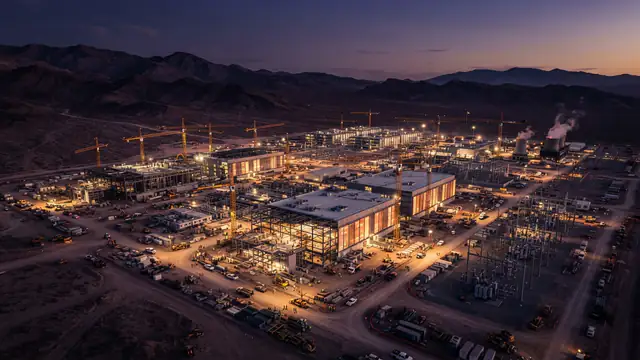
Tencent has agreed to a five-year, $7 billion lease with Oracle for roughly 100,000 advanced AI chips hosted in Southeast Asian data centers.
Key takeaways
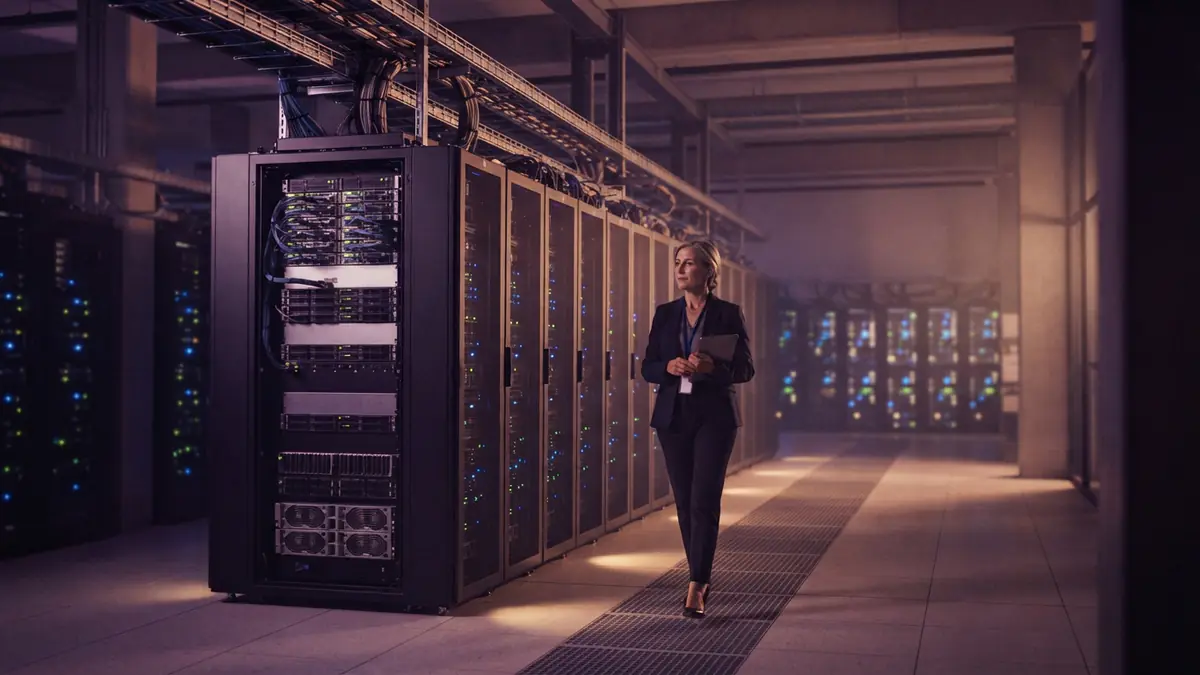
- Tencent signed a five-year, $7 billion agreement to lease roughly 100,000 advanced AI chips hosted in Oracle data centers across Southeast Asia.
- The agreement is Tencent's largest overseas compute lease to date, with approximately 30% of the total cost paid upfront.
- The offshore leasing model complies with U.S. export regulations while bypassing domestic hardware import approval delays from China's NDRC.
- Domestic alternatives face severe supply constraints, with CXMT's projected HBM production capable of supporting only 250,000 to 300,000 Ascend-equivalent chips annually.
Chinese technology conglomerate Tencent has signed a five-year agreement worth $7 billion with Oracle to lease roughly 100,000 advanced artificial intelligence chips. As reported by the Financial Times and detailed in coverage by Startup Fortune, the deal enables Tencent to access large-scale computing power deployed across Oracle's data centers located in Southeast Asia.
The agreement represents the largest overseas compute lease Tencent has ever signed, according to reporting cited by GuruFocus. Under the terms of the contract, Tencent is paying approximately 30% of the $7 billion valuation upfront to secure cloud infrastructure outside mainland China.
Navigating U.S. Export Controls and Offshore Infrastructure
The transaction relies on existing international trade structures. Current U.S. export regulations bar Chinese companies from acquiring advanced AI chips outright for import into mainland China, but the framework permits them to lease compute capacity residing in overseas data centers, as reported by Startup Fortune.
Because the rented chips remain in Oracle's data centers abroad and never touch mainland Chinese soil, the hardware arrangement does not require specific U.S. government customer approvals. It also sidesteps regulatory review by China's National Development and Reform Commission (NDRC), which must approve physical semiconductor imports.
Oracle has expanded its role as an infrastructure provider for major AI developers in the region. ByteDance is already among Oracle's largest graphics processing unit (GPU) customers in the Asia-Pacific region, while OpenAI leases infrastructure from Oracle under a separate $300 billion arrangement, according to Startup Fortune.
Domestic Chip Bottlenecks and Import Caps in China
The move offshore follows severe supply constraints and regulatory delays within mainland China. Under U.S. licensing rules, buyers in China are allowed to import up to 75,000 Nvidia H200 chips. However, Tencent and ByteDance have each received only about 10,000 Nvidia H200 units over recent weeks under Beijing's supervision—representing barely 13% of Tencent's legal U.S. allowance, according to Startup Fortune.
The NDRC has been slow to authorize additional hardware shipments as Beijing pushes enterprises toward domestic chipmakers. A survey by Bloomberg Intelligence cited by Startup Fortune indicated that Chinese firms plan to allocate 46% of their AI accelerator budgets to domestic suppliers within a year, up from 30%. However, this shift stems from procurement rules and import hurdles rather than hardware performance gains.
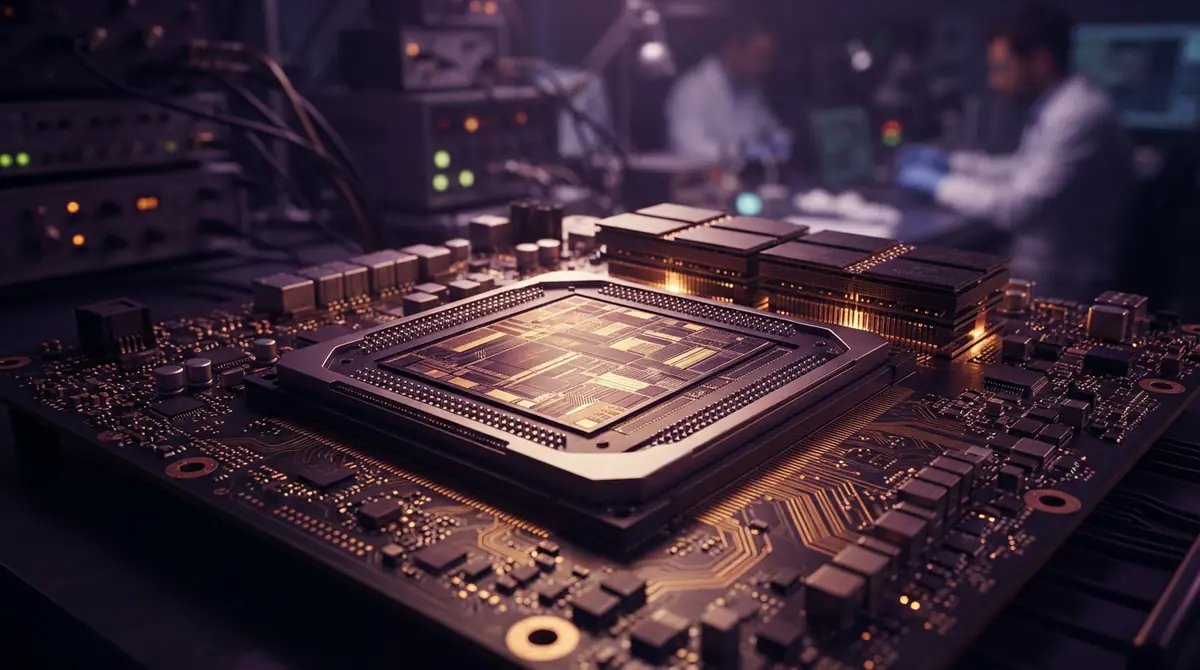
Domestic production faces acute bottlenecks, particularly around High Bandwidth Memory (HBM). While leading memory manufacturer CXMT is projected to reach output of approximately 300,000 wafers per month by the end of 2026, its planned annual volume of roughly 2 million HBM stacks translates to just 250,000 to 300,000 Ascend-equivalent processors for Huawei's Ascend 910C. This total domestic output remains insufficient for large-scale frontier AI model training, leading domestic suppliers including Huawei, Cambricon, MetaX, and Iluvatar CoreX to raise hardware prices in September.
Tencent's Expanding AI Capital Expenditures
Tencent's overseas compute expansion aligns with an aggressive ramp-up in infrastructure investments. Financial data from GuruFocus shows Tencent's capital expenditures in the second quarter of 2026 surged 176% year-over-year to 53 billion yuan ($7.9 billion).
The company, which holds a market capitalization of $494.96 billion and operates key platforms such as WeChat and QQ, is directing significant resources toward expanding its AI capabilities across international operations, fintech, gaming, and cloud computing. The Oracle partnership provides Tencent with guaranteed access to clusters of 100,000 advanced chips over the next five years, insulating its model training workflows from domestic supply chain shortages.
Frequently asked questions
What are the core terms of the Tencent-Oracle deal?
Tencent is leasing approximately 100,000 advanced AI chips from Oracle over a five-year term for $7 billion, with roughly 30% paid upfront.
Where will the leased AI chips be located?
The chips are deployed across Oracle's data centers located in Southeast Asia and will remain outside mainland China.
Does this agreement comply with U.S. export controls?
Yes. U.S. regulations prohibit the direct sale and export of advanced AI chips into China, but allow Chinese firms to lease compute capacity hosted in overseas facilities.
Why is Tencent looking outside China for AI compute capacity?
Tencent faces strict domestic import approvals and significant bottlenecks in China's domestic supply chain, including shortages of High Bandwidth Memory (HBM) that limit local chip production.
Sources
- Tencent leases 100,000 AI chips from Oracle in a $7 billion five year dealstartupfortune.com · Oct 1, 2026
- Tencent (TCEHY) Secures $7 Billion AI Chip Lease with Oracle to Boost Overseas AI Capacitygurufocus.com · Sep 30, 2026
How this story was made: the newsroom picked it up from Google News and Techmeme, gathered the full text of the sources above, and drafted it with AI assistance. Every factual claim was then checked against those sources before publishing (18 claims checked). Illustrations marked as AI-generated are not photographs. Spotted an error? Tell us.
Published October 1, 2026 at 07:40 UTC