Elon Musk Says SpaceX Secures $40 Billion in Debt Financing for AI Chips
SpaceX has closed a $40 billion debt facility to fund advanced processor acquisitions for delivery in 2027, according to Elon Musk, who said the financing was secured due to its investment-grade credit rating and revenue from Starlink and launches.
In short
- Elon Musk announced that SpaceX closed $40 billion in debt financing to purchase AI processors from Nvidia and other vendors.
- Hardware deliveries are scheduled for the first and second quarters of 2027, structured largely as callable debt.
- SpaceX Chief Executive Elon Musk stated that access to credit is closing for AI infrastructure firms lacking independent revenue streams.
- Musk predicted consolidation and failure for more than 200 specialized neocloud providers.
- SpaceX third-quarter revenue grew 161% year-over-year to $14.58 billion, while quarterly capital spending reached $19.6 billion.
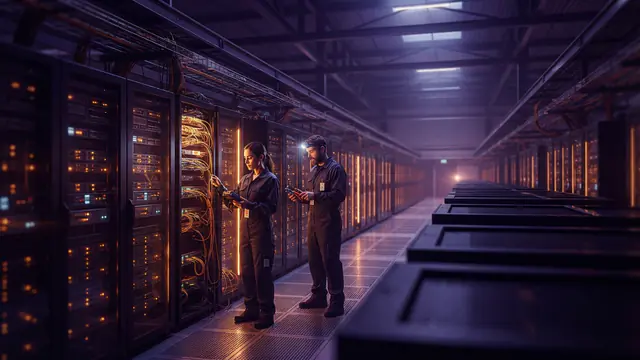
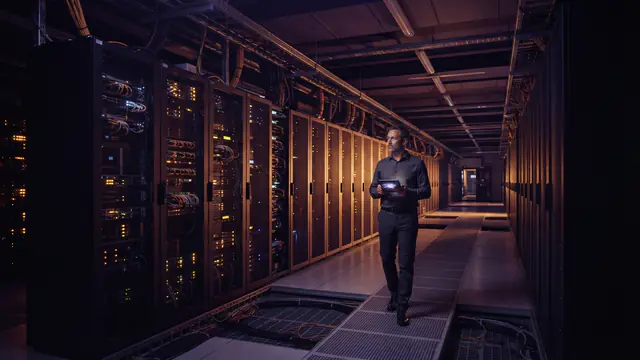
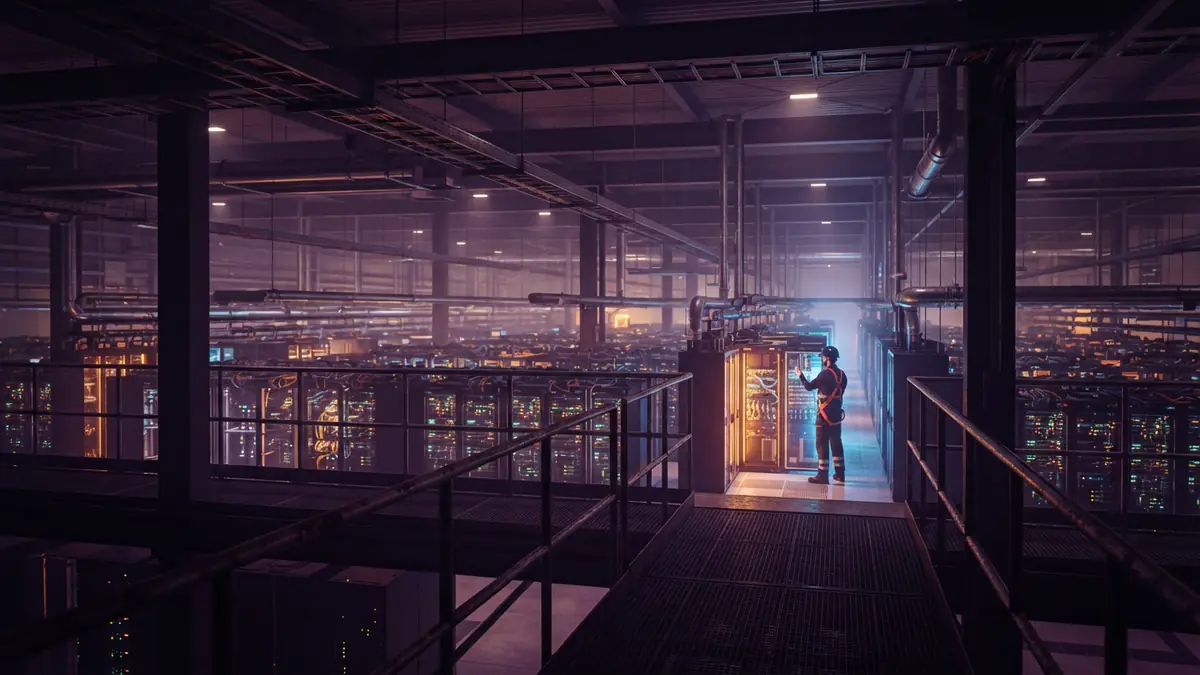
Space Exploration Technologies Corp. has secured $40 billion in debt financing to acquire processors for artificial intelligence workloads, Chief Executive Elon Musk announced on October 25, 2026. The capital will fund purchases of graphics processing units from Nvidia Corp. and other suppliers to expand data center capacity, with hardware deliveries slated for the first and second quarters of 2027.
Musk disclosed the transaction on social media platform X, stating that SpaceX qualified for the financing because of its investment-grade credit profile and revenue from its Starlink satellite internet network and rocket launch operations. Musk described the transaction as primarily callable debt that is expected to be repaid early, adding that it will not have a significant impact on the company's fourth-quarter financial results.

Debt Financing Details and Hardware Plans
The announcement appears to confirm reporting by the Financial Times on October 7, 2026, which indicated SpaceX was negotiating a $40 billion package consisting of roughly $10 billion in bank loans and $30 billion in investment-grade debt, as reported by SiliconANGLE. The report identified Apollo Global Management Inc. as the lead investor, with Pacific Investment Management Company LLC also participating in the debt issuance.
The capital injection coincides with accelerating infrastructure investments across the company. SpaceX reported that revenue climbed 161% year-over-year to $14.58 billion for the three months ended September 30, according to coverage by the Economic Times. During the same period, quarterly capital expenditure nearly tripled to $19.6 billion as the company built out compute capacity.
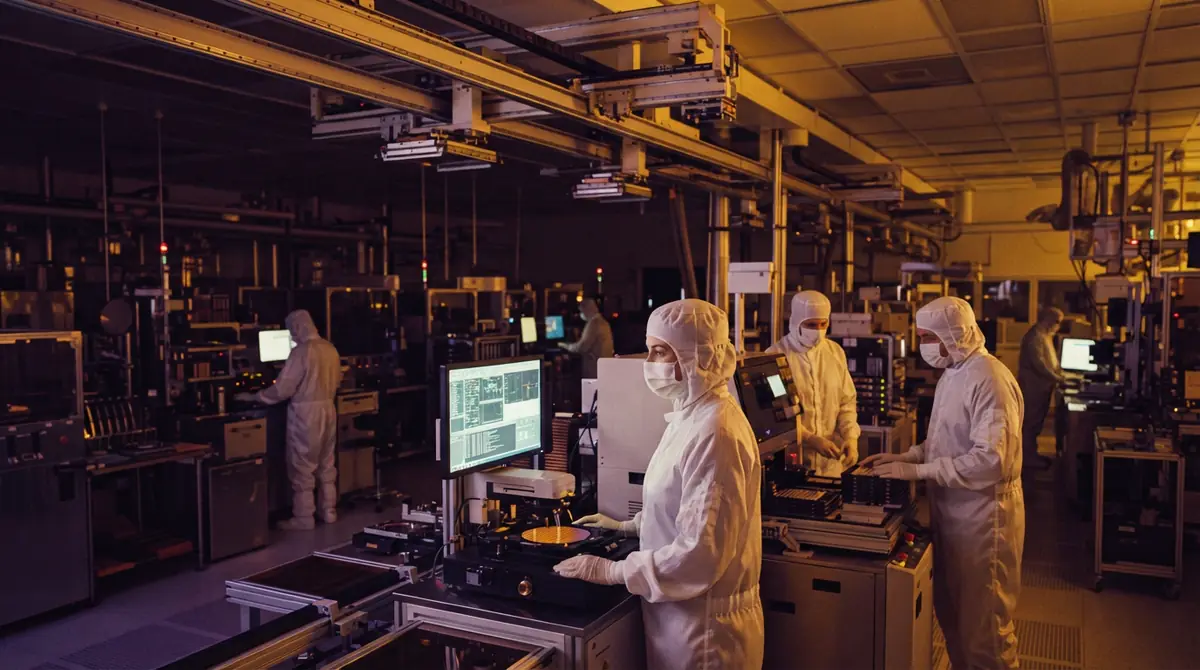
In addition to acquiring commercial GPUs, SpaceX is pursuing proprietary chip production. Terafab, an Austin-based semiconductor manufacturing joint venture between SpaceX and Tesla Inc., is scheduled to produce its first test silicon around May or June 2027, with volume production planned for the third quarter of 2028, according to the Economic Times. SpaceX had previously listed in-house GPU manufacturing among its major planned capital expenditures in its S-1 filing.
Musk Warns of Looming Neocloud Consolidation
Alongside the financing disclosure, Musk warned that credit markets are closing to infrastructure startups that lack diversified cash flows. Smaller cloud providers—often termed neoclouds—have borrowed heavily to purchase high-end GPUs and rent server capacity to software developers.
Musk claimed that debt markets over recent weeks have "almost entirely shut off access to money for any company that doesn’t have substantial revenue independent of AI data centers," as reported by SiliconANGLE. He projected that this shift will trigger widespread corporate distress across the market, stating that "200+ neoclouds are going to see guppy-level death and consolidation," with few surviving independently.
The contraction in debt availability comes amid wider pressure on debt markets supporting compute facilities. Reuters reported that bond investors have begun requiring higher yields on AI infrastructure debt due to concerns about the massive volume of new debt and growing skepticism over whether revenue from AI services will scale quickly enough to cover the capital required for data centers, silicon, and the related infrastructure those facilities need.
Divergence in the Infrastructure Market
The funding gap creates an expanding divide between balance-sheet-supported players and debt-dependent compute startups. Established cloud hyperscalers continue to deploy capital at unprecedented rates. Morgan Stanley projected that annual capital expenditures across Amazon Web Services Inc., Microsoft Corp., Google LLC, and Meta Platforms Inc. will reach $700 billion this year and surpass $1 trillion in 2027, according to SiliconANGLE.
Much of that spending remains debt-funded. Goldman Sachs projects corporate borrowing by the four hyperscalers will reach $250 billion this year and $400 billion in 2027, while Morgan Stanley estimates total global AI-related debt issuance will exceed $570 billion this year.
For companies possessing independent cash flows, debt markets remain receptive to structured financing. For specialized operators lacking alternative commercial lines, tougher lending standards could force smaller operators to seek mergers or cancel expansion plans, which could lead to reduced demand for AI chips.
Questions people ask
What will SpaceX use the $40 billion financing for?
SpaceX plans to use the debt financing to purchase graphics processing units from Nvidia and other suppliers for its data centers, with hardware deliveries scheduled for the first and second quarters of 2027.
Who provided the debt financing to SpaceX?
A Financial Times report cited by SiliconANGLE identified Apollo Global Management as the lead investor, with PIMCO also participating, across a structure consisting of roughly $10 billion in bank loans and $30 billion in investment-grade debt.
What is Terafab?
Terafab is a chip manufacturing joint venture between SpaceX and Tesla located in Austin, scheduled to produce its first test chip in mid-2027 and reach volume production by the third quarter of 2028.
Why does Elon Musk predict problems for neoclouds?
Musk stated that credit markets have tightened for businesses without revenue outside of AI data centers, warning that more than 200 specialized compute providers could face consolidation or failure as financing dries up.
Sources
- Elon Musk predicts neocloud shakeout as credit for AI infrastructure dries upSiliconANGLE, Oct 26, 2026
- Elon Musk says SpaceX raised $40 billion in debt for GPUsEconomic Times
How this story was made: the newsroom picked it up from Google News, gathered the full text of the sources above, and drafted it with AI assistance. Every factual claim was then checked against those sources before publishing (19 claims checked). Illustrations marked as AI-generated are not photographs. Spotted an error? Tell us.
Published October 26, 2026 at 03:48 UTC