Germany and NVIDIA Expand AI Partnership Across Industry and Startups
A new joint declaration signed in Berlin focuses on physical AI and manufacturing, alongside fresh backing for German technology startups.
In short
- German Chancellor Friedrich Merz and NVIDIA signed a Joint Declaration of Intent to develop physical AI for manufacturing, machinery, and vehicles.
- NVIDIA announced investments in four German startups—Agile Robots, Avelios Medical, Mirelo, and Reflex Aerospace—as part of a nearly $10 billion European commitment.
- Siemens and NVIDIA demonstrated factory automation tools at Erlangen that, according to Siemens, cut production ramp-up engineering effort by up to 85%.
- NVIDIA announced that its researchers completed a record-breaking 104-qubit fault-tolerant quantum computer simulation on the JUPITER supercomputer at Jülich.
BERLIN — The German federal government and NVIDIA have formalized an expanded strategic partnership aimed at applying artificial intelligence directly to industrial production and autonomous systems.
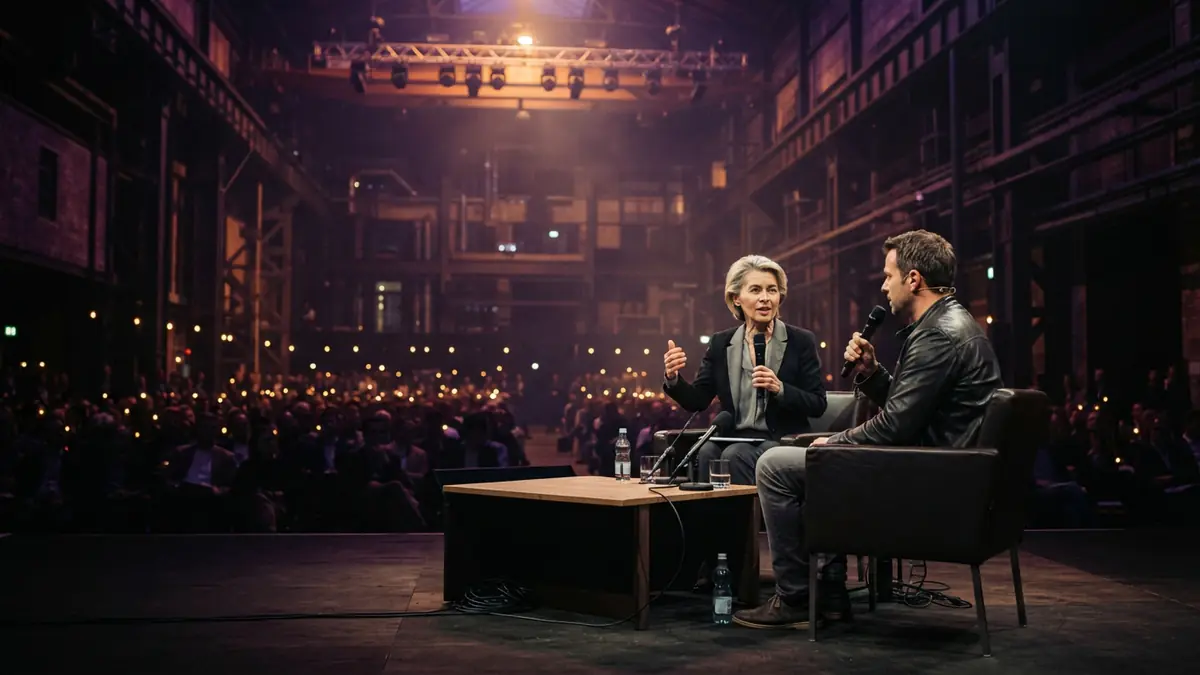
Announced on October 19, 2026, during the Invest in Germany Summit held at the Kraftwerk venue in Berlin, the initiative merges German engineering and manufacturing expertise with cutting-edge AI research. German Chancellor Friedrich Merz and NVIDIA CEO Jensen Huang appeared together to outline the initiative, which includes new venture investments in German startups drawn from a nearly $10 billion European investment program, as detailed in NVIDIA's announcement.
Industrial AI and the German Mittelstand
Under the Joint Declaration of Intent signed on Monday, NVIDIA will work directly with the Federal Ministry for Economic Affairs and Energy, the Federal Ministry for Research, Technology and Space, and Germany's "Industry 4.0 Platform." The group includes leaders across politics, industry, research institutions, and trade associations.
According to reporting from The Next Web, the initiative focuses specifically on "physical AI"—models designed to operate machinery, robotic systems, and autonomous vehicles.
Chancellor Merz positioned the collaboration as central to revitalizing Germany's industrial core amid competitive pressure on its automotive, chemicals, and engineering exporters, as reported by Reuters via Euronext. Merz specifically called on the country's small and medium-sized enterprises to deploy the operational records they hold.
"The biggest advantage we have in Germany is our so-called Mittelstand," Merz stated during the summit. "Please open your doors for AI to make use of your data. This is a real secret and a real advantage for Germany to make use of all the data which is already available in our companies."
Huang echoed the emphasis on Germany's engineering base, arguing that AI tools serve to amplify existing industrial expertise rather than displace it: "That knowledge belongs to you. It cannot be replaced. AI can only augment your capability, it will not replace your capability. Take advantage of the technology. It's a new instrument."
Startups Backed Under the $10 Billion European Commitment
As part of the summit, NVIDIA unveiled new planned investments in four German tech startups, according to CNBC. While NVIDIA did not disclose the individual dollar figures, it stated that the allocations are part of its broader commitment of nearly $10 billion targeted at European businesses, universities, and research facilities.
The four newly backed startups span physical automation, enterprise healthcare, multimedia, and aerospace:
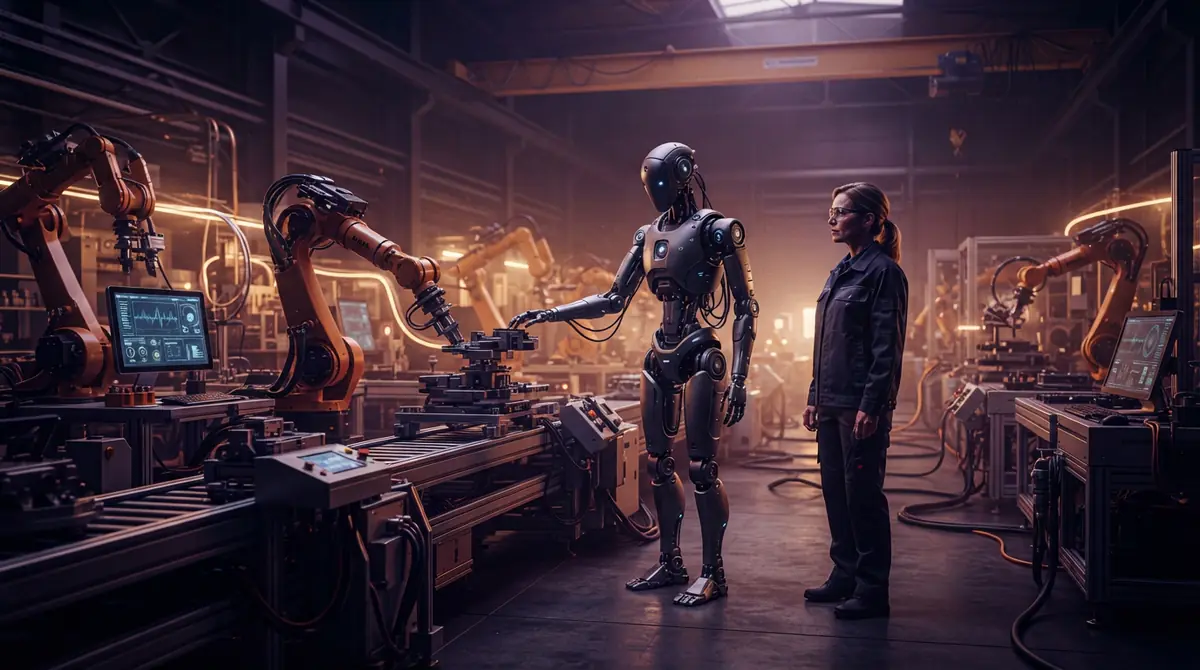
- Agile Robots: A Munich-based robotics firm developing AI-driven manipulation systems, ranging from industrial robotic arms to its Agile ONE humanoid robot for logistics, healthcare, and factory assembly.
- Avelios Medical: A Munich-based healthcare technology company that produces an AI-native hospital information system designed to manage clinical and administrative operations.
- Mirelo: A German startup building AI generation models that produce synchronized sound effects, dialogue, and music for video content.
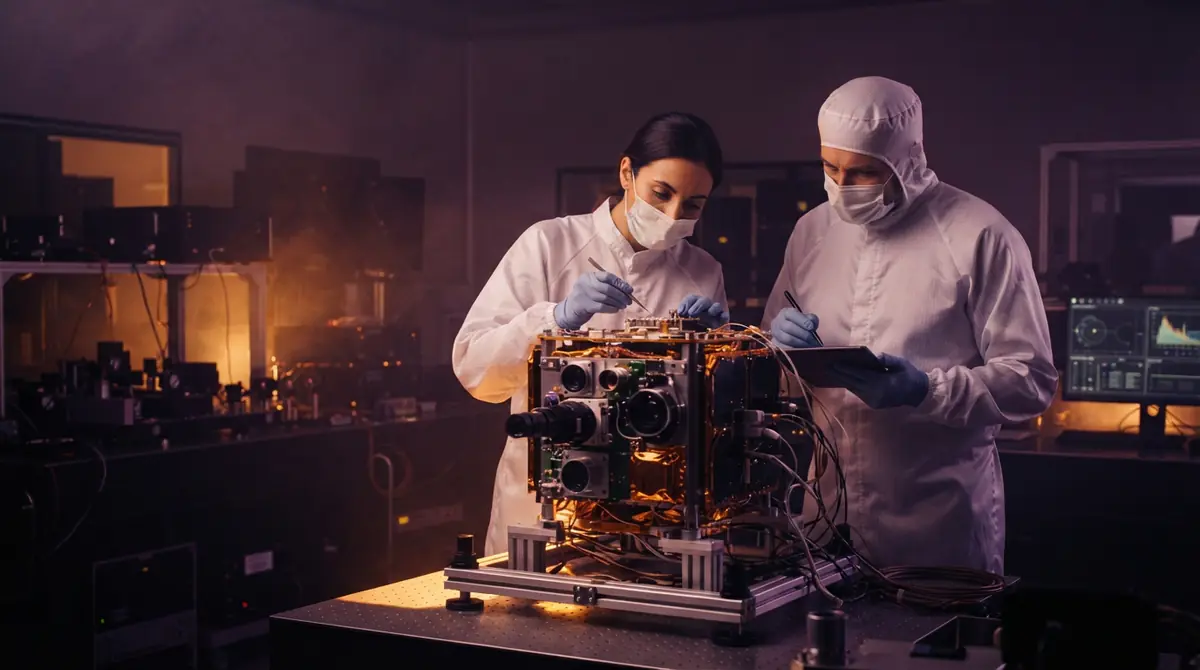
- Reflex Aerospace: A Berlin-based satellite manufacturer that designs and builds satellites that it says can be ready for launch in about 12 months, rather than years.
As reported by Quartz, NVIDIA has previously invested in German companies including n8n, robotics developer Neura Robotics, and Black Forest Labs. The Berlin stop followed Huang's visit to Paris the previous week, where he announced backing for French startups Doctolib, Genesis AI, Pigment, and Entalpic during discussions with French President Emmanuel Macron.
Factory Automation and Quantum Computing Benchmarks
Beyond early-stage venture backing, the partnership showcased enterprise deployments in industrial facilities and scientific computing hubs across Germany.
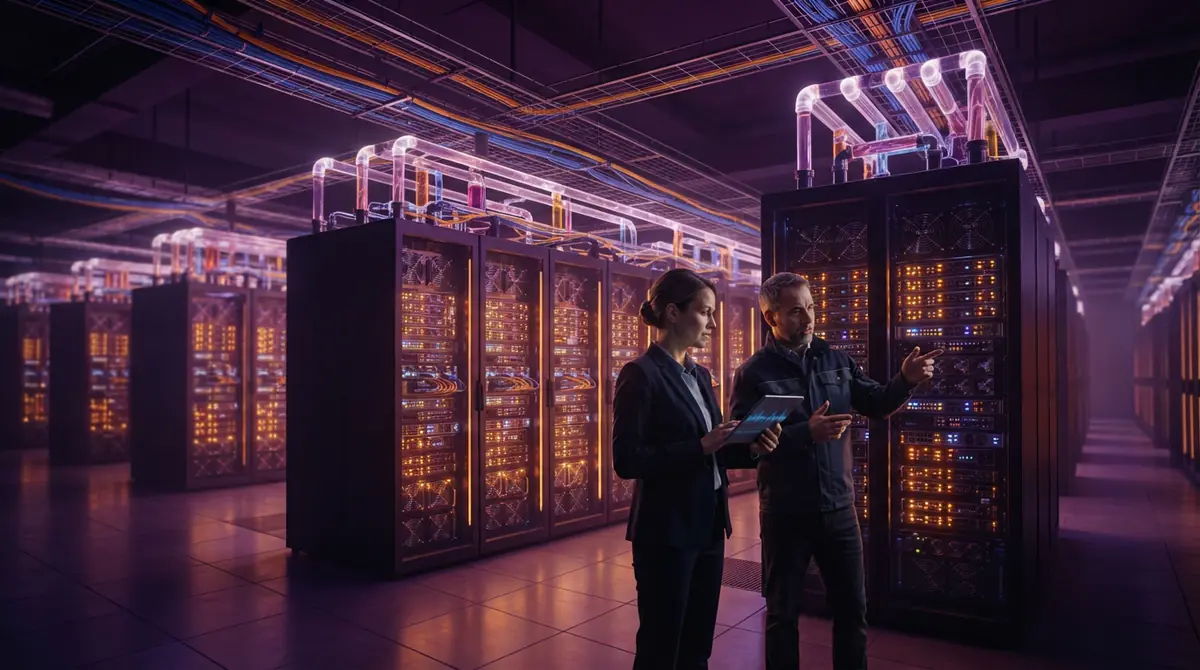
At its factory in Erlangen, Siemens demonstrated autonomous manufacturing systems developed in collaboration with NVIDIA, according to Seeking Alpha. Siemens reported that running virtual production ramp-ups reduces engineering workload by up to 85%, while autonomous agent-based production scheduling yields cost savings of up to 20%.
In scientific research, NVIDIA highlighted work completed on the JUPITER supercomputer housed at the Jülich Supercomputing Centre. Researchers ran a 104-qubit simulation of a fault-tolerant quantum computer on the machine—Europe's largest supercomputing installation—which NVIDIA described as the largest and most detailed simulation of its kind to date.
Broader Economic Scale and Next Steps
The bilateral summit also highlighted massive domestic investment targets tracked by Germany's private sector. A coalition of roughly 150 companies and institutional investors organized under the "Made for Germany" banner, founded by Siemens and Deutsche Bank, published estimates forecasting up to €4.1 trillion ($4.6 trillion) in prospective capital expenditure across AI, energy, and defense in Germany through 2035.
According to initiative figures cited by Reuters, member firms plan to invest more than €850 billion through 2028 across AI, energy, and defense, building on over €200 billion deployed in 2025.
Following the bilateral declaration with the German federal ministries, Huang is scheduled to deliver a keynote address on Wednesday at the NVIDIA GTC Berlin conference.
Questions people ask
What is the Joint Declaration of Intent signed between Germany and NVIDIA?
It is an agreement between NVIDIA, Chancellor Friedrich Merz, and the German federal ministries for economy and research to advance AI models for physical AI and expand adoption across Germany's industrial sector and Industry 4.0 Platform.
Which German startups are receiving new investments from NVIDIA?
NVIDIA announced planned investments in four German companies: Agile Robots, Avelios Medical, Mirelo, and Reflex Aerospace. The financial terms for the individual investments were not disclosed.
What efficiency gains did Siemens report using NVIDIA AI tools?
At its Erlangen manufacturing site, Siemens reported that virtual production ramp-up cut engineering effort by up to 85%, while agent-driven production planning reduced operational expenses by up to 20%.
Sources
- Germany Wants to Lead the World in Industrial AI: How NVIDIA Will HelpNVIDIA Blog, Oct 19, 2026, official source
- Germany signs AI partnership with Nvidia at Berlin investment summitTNW | Nvidia, Oct 20, 2026
- ‘Open your doors for AI’: German chancellor urges businesses to embrace AI as Nvidia announces new investmentsCNBC, Oct 20, 2026
- Nvidia plans to invest in 4 German startups, including Agile Robotsqz.com, Oct 20, 2026
- Nvidia to back four German AI startups as part of near-$10B European pushseekingalpha.com, Oct 20, 2026
- Germany's Merz urges AI investment ahead of Nvidia deallive.euronext.com, Oct 19, 2026
How this story was made: the newsroom picked it up from blogs.nvidia.com, Google Search and Google News, gathered the full text of the sources above, and drafted it with AI assistance. Every factual claim was then checked against those sources before publishing (25 claims checked). Illustrations marked as AI-generated are not photographs. Spotted an error? Tell us.
Published October 21, 2026 at 00:40 UTC